

January 12, 2026
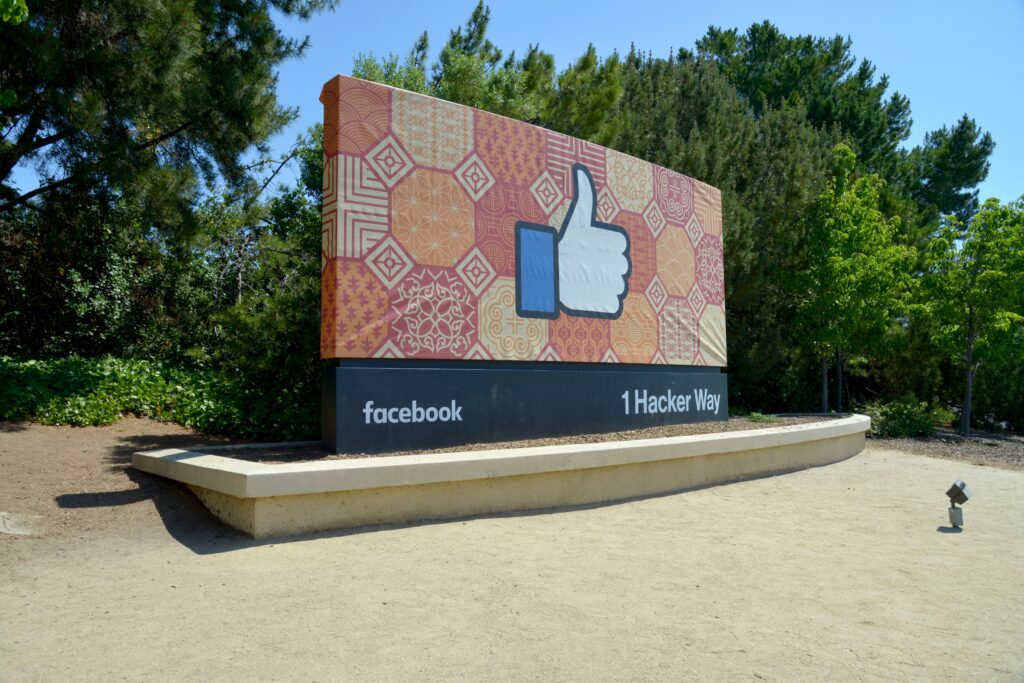
I can remember being a freshman at TCU and just being told about this new website for college kids called Facebook.
It was really simple.
You had to have a .edu account to participate and suddenly you were open to the world of connecting to people throughout the world.
Our generation was already primed for this through the advent of applications such as AOL instant messenger and Myspace.
But this was different.
Facebook was the first social network that allowed you to connect to people, post your thoughts, and show all of your “friends” the latest drama in your life from being in a relationship to its complicated.
In its early stages, Facebook was a way to “connect” to people.
No advertising.
No doom scrolling.
It was something you checked maybe once a day and then you were done.
Reminiscing about those early years lead me down the recollection of the creation of the “like” button.
This was revolutionary for the social media giant.
No longer was it connecting to other students, you now had the ability to “like” something the people you were connected to.
It was as if overnight the concept of a feed was developed and a popularity contest that was once managed in person was transferred to the computer.
It was an experiment in social conditioning 101.
You suddenly had a reason to come back to facebook multiple times a day to spend time on the platform to see how many of your friends “liked” your status and if that number was not satisfactory, it was time to edit your status or post again to see if you could encourage more “likes”.
You could post that you were in a relationship and see who liked it.
You could post photos and see who liked it.
You could virtually do anything and start keeping track of the like feature.
Subconsciously, this also made you question who didn’t like it.
As if when you instantly posted something your girlfriend or boyfriend or best friend should see it and like it right away which is absolutely ridiculous considering this was 2004/5. (remember – the IPhone didn’t exist, laptops were relatively new, Instagram didn’t exist, Twitter didn’t exist, the notification didn’t exist)
Thinking back on this – what a stroke of genius for Facebook and a stroke of destruction for us as a culture.
As technology continues to grow and Facebook and other social media platforms sharpen their skills and their ability to ensure that their users spend hours on the platform, we as a society have become indoctrinated into a population that expects the like button stimulus in every single facet of our life.
We have notifications constantly disturbing us all day long.
If we don’t like something, we simply keep scrolling even if it is something that requires attention and focus.
If we have a hard encounter with a professional, we simply log off.
The like button has actually caused more harm than good.
The like button generation has lost the ability to be human.
In fact, I’d like to say the best thing that could possibly happen for us as a society looking forward would be the termination of the like button, the heart, the emoji, etc…you get the point.
I recently read a statement that said:
“Every minute you spend worrying about every little thing that other people are doing is another minute you will never get back to building a great life for yourself.”
Stop and pause for a moment.
Ask yourself the question and be brutally honest, how often do I seek the like button response?
How much of my life is lived seeking that approval?
How many times do I choose to say nothing because I wont get “x” number of likes, clicks, shares, reposts, business transactions?
This simple exercise can expose the conditioning you have been subjected to and also explain why many of your tendencies are the way they are.
If you let the like button guide your life you are going to be greatly disappointed when you wake up 20 years down the road and realize that you have become nothing but what the winds of culture dictated were likeable, which will amount to a big confused pile of nothing.
Now, with that being said, to oppose the like button what steps can you take to reclaim your rugged individualism and your identity in pursuit of who God created you to be.
It is super simple, in fact, maybe even too simple.
Spend your time and your energy investing in you.
Surround yourself with people, art, music, literature that will challenge you to grow.
Commit to habitual exercise free of any technology – i.e. walking outside with no devices on you at all.
Have technology free weekends.
Pursue a skill that requires time, concentration, effort, creativity!
In taking this small step you will challenge yourself to start executing on the small details of life that we call habits.
Every time you do this you are adding to and investing in your skill set of discipline.
This will translate into the well rounded person you are seeking to become that will have virtue, character, health and most importantly independence from cultural and societal norms.
I am thankful we had the opportunity to see the development of the like button
I am hopeful that we have the opportunity to see the destruction of this societal crutch.
Eliminate the like button from your life and reclaim your identity.
Believe me, your entire life will become better because of it.