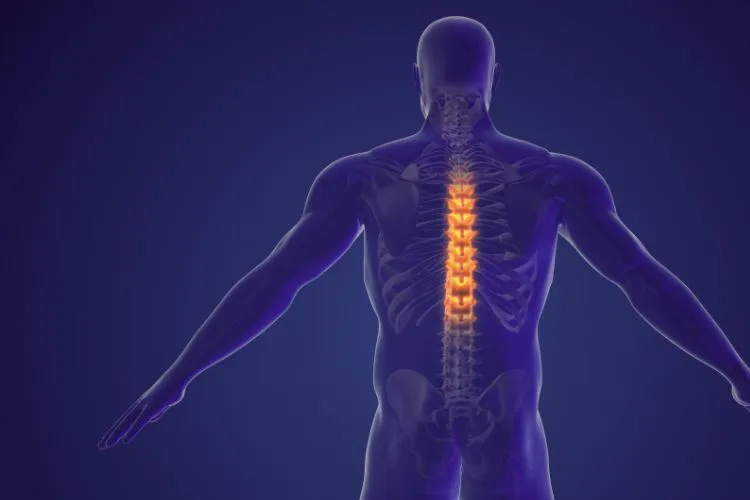

The relationship between spinal care and pain relief has garnered significant attention in recent years. For individuals grappling with persistent discomfort, understanding the potential benefits of targeted spinal adjustments can be transformative. These sessions, designed to restore balance and function to the spine, aim to address a wide range of symptoms, including those stemming from tension and strain—often associated with head pain.
The Spine's Role in Overall Well-Being
The spine is a critical structure in the body, supporting movement, protecting the nervous system, and maintaining posture. However, when spinal alignment is compromised due to poor posture, injuries, or stress, it can lead to a ripple effect of discomfort throughout the body. Many people experience radiating pain or persistent tension linked to spinal issues, and these symptoms can significantly impact daily life. One common manifestation of such tension is recurring head pain. Spinal adjustments aim to alleviate these issues by promoting proper alignment. When the spine is correctly positioned, it reduces strain on muscles and nerves, potentially minimizing head-related discomfort. Furthermore, maintaining spinal health often results in improved mobility, better posture, and a heightened sense of well-being—key factors in reducing the frequency and severity of head pain.
Addressing Tension-Related Discomfort
One common source of chronic discomfort is tension stored in the neck and upper back. These areas are particularly vulnerable to strain from modern lifestyle habits, such as extended screen use or poor ergonomics. Over time, this tension can contribute to localized discomfort and radiate to other parts of the body, including the head, creating persistent, hard-to-treat symptoms. Headache treatments at Southlake often incorporate gentle adjustments that target these tension points. By relieving pressure and improving the alignment of the cervical and thoracic spine, individuals frequently report significant reductions in head pain and discomfort. Additionally, these adjustments may help reduce the frequency and severity of associated symptoms, such as tightness or stiffness in the shoulders and upper back. For those who experience recurring head pain, this targeted care can provide much-needed relief.
Benefits Beyond Pain Relief
The benefits of spinal adjustments extend beyond alleviating immediate discomfort. Many individuals find that these sessions from a chiropractor Southlake contribute to a greater sense of relaxation and overall body awareness. When the spine is properly aligned, it can improve the body’s ability to manage stress, enhance blood flow, and support natural healing processes—all of which are crucial in mitigating head pain. Improved spinal health is also closely tied to better posture. For those who experience discomfort due to prolonged periods of sitting or poor body mechanics, spinal adjustments can play a key role in retraining posture and reducing long-term strain. Over time, this proactive approach can prevent future issues and promote a more resilient musculoskeletal system. For individuals struggling with head pain linked to tension or poor alignment, this offers a pathway to sustainable relief.
Combining Care with Lifestyle Changes
To maximize the benefits of headache treatments in Southlake, it is often recommended to incorporate supportive lifestyle changes. Regular stretching, targeted exercises, and ergonomic adjustments can complement professional care and enhance its effectiveness. These activities strengthen the muscles surrounding the spine, improving stability and reducing the likelihood of recurring discomfort, including head pain. Stress management techniques, such as mindfulness practices and deep breathing, also play a vital role in spinal health. Chronic stress often manifests tension in the neck, shoulders, and back, exacerbating pain and alignment issues that contribute to head-related symptoms. By addressing both the physical and emotional contributors to discomfort, individuals can achieve more lasting relief.
Long-Term Strategies for Relief
Consistent care focused on the spine, combined with healthy habits, offers a promising approach to managing persistent discomfort. Whether dealing with pain from tension, posture-related strain, or other sources, addressing spinal health provides a foundation for overall well-being. For those dealing specifically with head pain, this holistic approach targets the root causes and supports a healthier, more balanced body.
Spinal health plays a crucial role in managing and alleviating pain associated with tension and strain. By addressing alignment and supporting the body’s natural balance, targeted spinal adjustments offer a pathway to relief from head pain and improved quality of life. When combined with proactive lifestyle changes and stress management, these sessions from a chiropractor Southlake can provide lasting benefits and empower individuals to take charge of their health. Investing in spinal care is more than just addressing immediate discomfort; it’s about fostering long-term wellness and resilience. By prioritizing the health of the spine, individuals can unlock greater mobility, reduced pain, and a renewed sense of vitality—freeing them from the limitations of recurring head pain.