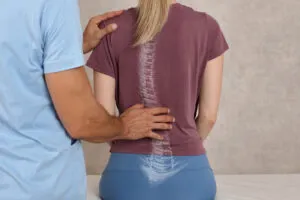

Sciatica is intense pain stemming from inflammation, pinching, irritation, or the compression of a nerve located in the lower back. While there are several causes of sciatica, the most common is the slip of a disk or a herniated disk in the spinal cord that creates pressure on the nerve's root.
Living with sciatica is extremely painful, and sufferers find their normal, day-to-day activities disturbed. Fortunately, there are many ways to deal with the condition to the extent of lessening its intensity, and many sufferers find themselves getting better with time.
Special care needs to be implemented regularly to reach a point where the condition no longer disrupts one’s daily life.
Understanding the Condition
Sciatica is an injury to the nervous system of the body. The sciatic nerve is located in the buttock or gluteal region of the body, and any irritation, inflammation, or injury to this nerve results in sciatica.
Sciatica has begun to be used as a common term to describe pain in the lower back and down the leg and not necessarily an injury to the actual sciatic nerve. An injury to the sciatic nerve itself is pretty rare. In either case, a nerve has been injured, and the pain starts when a nerve in the lower back becomes irritated or inflamed.
In addition to pain, it can also cause the leg and foot muscles to become weak. Numbness in the legs and pins-and-needles sensation from the leg right down to the foot and toes are also common symptoms.
The pain itself differs from person to person. Some describe it as sharp jolts of pain, while others experience a more burning sensation.
The pain can be constant, or it can ebb and flow. It is hard to tell how the pain from the condition ebbs and flows, but certain habits can worsen the pain. Some ways the pain worsens are:
· Sitting down or standing up for extended periods
· Standing up
· Twisting the upper body
· Sudden movements such as a sneeze
Another common symptom experienced by sciatica sufferers is the loss of control of their bowel or bladder.
Factors that Increase the Risk of Getting Sciatica
Sciatica can occur suddenly or develop gradually over time. Statistics show nearly 40% of people in the United States experience sciatica at least once during their lifetime.
Whether the condition comes on suddenly or develops over time, there are some lifestyles or habits that are proven to put people at a greater risk of developing the condition.
People who have suffered any injuries to their spine or lower back area are more likely to get sciatica later on. People who are overweight have spines working overtime to lift a greater amount of mass. This pressure can cause the spine to be strained, leading to back pains and strains.
Several lifestyle choices can also increase the risk of developing sciatica. For instance, an extensively physical job that involves a lot of heavy lifting is likely to be putting strain on the lower back every day. Even jobs that involve a lot of daily sitting for long hours, especially in less than ergonomic chairs, increase the risk of developing back problems.
Other lifestyle choices include smoking. The nicotine present in cigarettes causes damage to the spinal tissue, as well as wear down the bones. It can weaken the disks of the vertebrae, leading to severe back problems, including sciatica. An inactive or active lifestyle without following a good, proper body workout in the gym can lead to sciatica.
Sciatica can also result from other health conditions such as diabetes and osteoarthritis. Diabetes adds to the risk of nerve damage which in turn increases the risk of getting sciatica. Osteoarthritis damages the spine, which leaves the spinal nerves vulnerable to injury.
Pregnant women commonly complain of sciatic pain. While the added pressure from the baby’s weight and position adds to the risk, it is not the increased weight that causes it. A more plausible explanation for why sciatica is so common in pregnant women is that the production of certain hormones can lead to the loosening of ligaments. Ligaments are responsible for holding bones (or, more specifically, for sciatica, vertebrae) in place and protecting them. If the ligaments are weakened, the spinal structure can become unstable, leading to disk slips that cause the pinching of nerves.
Treating Sciatica
Depending on the severity of the condition, special methods of self-care and professional help can be proposed. The aim is to ease the pain while increasing the ease of movement for a person.
Some ways for the sufferer to care for themselves are to apply ice/hot packs to the area. Ice packs or just bags of frozen vegetables can calm swelling and reduce pain. For maximum effect, keep the pack on the area for twenty minutes and apply several times a day.
Gentle stretches with the help of an instructor can also help ease back pain. Aerobic exercises and strengthening routines can also prove helpful, but never try them without consulting a professional first!
If nearly a month of self-care has not provided relief, it might be time to see a professional. Professional physical care can be a great source of relief. An upper cervical chiropractor in Southlake can help massively with sciatica. Chiropractic care is a prevalent method of care for neck pain in Southlake and head pain in Southlake, and it is quite popular among those that deal with sciatica.
Usually, spinal surgery is not recommended unless a last resort. If symptoms get progressively worse in a year, with the pain nearing unbearable, spinal surgery will be considered to stabilize the spine and remove the pressure on the nerves.